

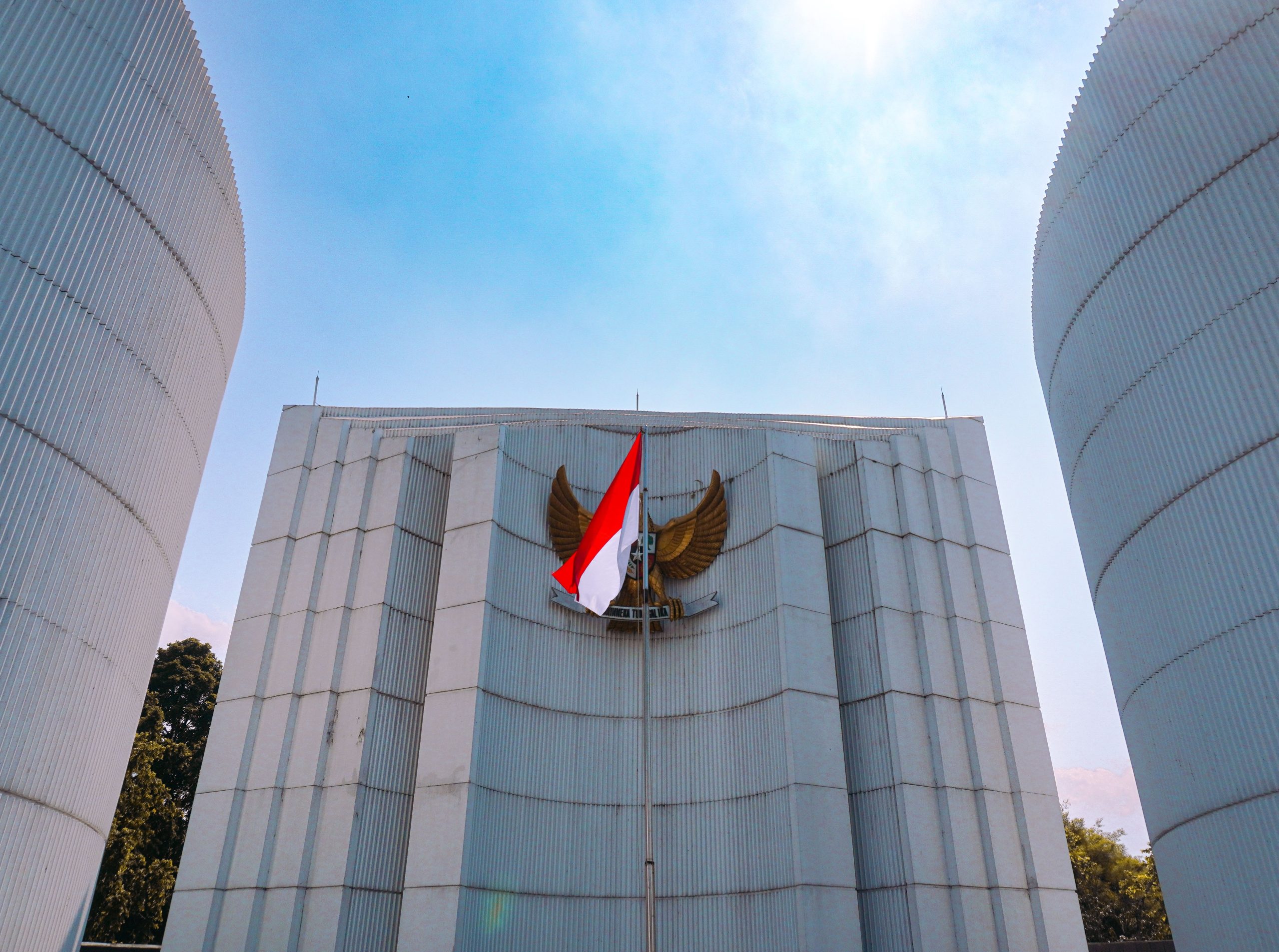
Indonesia offers enormous business opportunities, but paperwork and bureaucracy can slow expansion plans. Learn how foreign companies can overcome administrative challenges and enter Indonesia faster with Rootin by MatchaTalent.

Indonesia Is Full of Opportunity, But Paperwork Can Slow Everything Down
Every year, thousands of foreign companies evaluate Indonesia as their next expansion destination.
The reasons are obvious.
Indonesia is home to more than 280 million people.
It has one of Southeast Asia’s fastest-growing digital economies.
Consumer spending continues to rise.
Businesses across technology, manufacturing, logistics, consulting, finance, healthcare, and professional services see tremendous potential.
On paper, expanding into Indonesia looks like an easy decision.
Then reality arrives.
The opportunity remains attractive.
The market remains promising.
But suddenly, expansion teams find themselves dealing with something they never expected to consume so much time:
Paperwork.
Forms.
Administrative processes.
Documentation requirements.
Compliance obligations.
Internal approvals.
Government procedures.
What initially looked like a straightforward market entry project can quickly become a complicated operational challenge.
For many expansion leaders, the biggest obstacle to entering Indonesia is not competition.
It is bureaucracy.
You can learn more through: MatchaTalent HR Service Indonesia
Most Expansion Plans Do Not Fail Because of the Market
When international expansion stalls, many people assume market conditions are responsible.
In reality, the market is rarely the problem.
Indonesia continues attracting foreign investment, international businesses, and global employers.
The challenge is often execution.
Expansion leaders may spend months discussing growth opportunities only to discover that operational requirements delay every next step.
The result is frustrating.
The company wants to move.
The market is ready.
The budget has been approved.
But administrative complexity slows momentum.
And every delay creates new challenges.
Competitors move first.
Candidates accept offers elsewhere.
Potential customers engage with other providers.
Partnership opportunities disappear.
The cost of waiting becomes larger than many companies initially realize.
Bureaucracy Is Not the Enemy, But It Requires Planning
It is important to understand that bureaucracy exists for a reason.
Governments establish regulations to create structure, accountability, and compliance.
Indonesia is no different.
Businesses entering the country must navigate a range of requirements designed to support legal and operational standards.
However, for foreign companies unfamiliar with the local environment, these processes can feel overwhelming.
Expansion leaders frequently encounter questions such as:
- What legal structure should we use?
- Can we hire employees immediately?
- Do we need a local company first?
- What employment regulations apply?
- How should payroll be managed?
- What compliance requirements must be met?
- How long will implementation take?
Each question may require research, consultation, and coordination.
While none of these tasks are impossible, together they create a significant administrative burden.
The Hidden Cost of Administrative Delays
Most companies calculate the direct cost of expansion.
Very few calculate the cost of delay.
The hidden cost often includes:
Lost Revenue Opportunities
Every month spent waiting may represent customers that could have already been acquired.
Delayed Hiring
Top candidates rarely stay available indefinitely.
Skilled professionals continue receiving offers from competing employers.
Slower Market Validation
Companies cannot learn from a market they have not entered.
Delays postpone valuable customer and operational insights.
Reduced Competitive Advantage
Markets continue moving regardless of internal administrative progress.
Competitors rarely pause their expansion plans.
Internal Resource Drain
Leadership teams often spend valuable time solving administrative issues rather than focusing on strategic growth.
These costs are difficult to measure, but they are very real.
Why Expansion Leaders Often Overestimate the Importance of Company Establishment
One of the most common assumptions in international expansion is:
“We need to establish a company before we can do anything else.”
This belief often creates unnecessary delays.
The reality is that most companies do not immediately need a local entity.
What they actually need is the ability to:
- Build a local team
- Serve customers
- Generate revenue
- Test market demand
- Create operational momentum
A company structure is simply a tool.
It is not the ultimate objective.
The objective is growth.
Once expansion leaders recognize this distinction, new opportunities emerge.
The Real Goal Is Not Paperwork
Businesses do not expand because they enjoy administrative processes.
They expand because they want growth.
No CEO wakes up excited about compliance documentation.
No founder enters a new market because they enjoy completing forms.
No expansion leader measures success based on the number of administrative requirements completed.
They measure success through:
- Revenue growth
- Market penetration
- Customer acquisition
- Team development
- Business performance
Paperwork may be necessary.
But it should never become the center of the expansion strategy.
Why More Companies Are Choosing EOR First
Modern expansion strategies are increasingly built around speed and flexibility.
Instead of spending months building infrastructure before taking action, companies are looking for ways to enter markets immediately.
This is one reason why Employer of Record (EOR) services continue growing globally.
What Is an Employer of Record?
An Employer of Record (EOR) is a service provider that legally employs workers on behalf of another company.
The EOR typically manages:
- Employment contracts
- Payroll administration
- Workforce compliance
- Employee onboarding
- HR operations
Meanwhile, the client company continues managing daily work activities and employee performance.
This model allows companies to build teams and enter markets without immediately establishing a local entity.
Why EOR Reduces Bureaucratic Burden
EOR simplifies many of the administrative challenges associated with international expansion.
Instead of building employment infrastructure from scratch, companies can leverage an existing framework.
As a result, expansion leaders can focus on business growth rather than administrative management.
Indonesia Expansion Should Feel Like Growth, Not Government Administration
Imagine two different expansion scenarios.
Scenario One
A company spends months coordinating:
- Legal requirements
- Payroll infrastructure
- Employment compliance
- Administrative documentation
By the time everything is ready, valuable opportunities may already have been lost.
Scenario Two
The company begins recruiting talent immediately.
Customer conversations begin earlier.
Revenue opportunities emerge sooner.
Market insights arrive faster.
The business starts learning and growing while operational requirements are handled by specialists.
Most expansion leaders would choose the second option.
The question is no longer whether speed matters.
The question is how to achieve it.
The Challenge Is Bigger Than Company Registration
Many companies assume bureaucracy begins and ends with company establishment.
In reality, expansion involves multiple operational layers.
Recruitment
Finding qualified talent requires local expertise and market knowledge.
Employment Compliance
Companies must ensure employees are hired correctly and legally.
Payroll Administration
Workforce management requires reliable payroll operations.
Employer Branding
Companies need visibility and credibility in the local talent market.
Expatriation Support
International workforce mobility often creates additional requirements.
Each of these areas can introduce complexity.
Managing them separately often creates inefficiency.
That is why many expansion leaders seek integrated solutions rather than multiple service providers.
Why Rootin by MatchaTalent Was Built
Rootin was created for a simple reason.
Businesses should spend more time growing and less time navigating bureaucracy.
Foreign companies entering Indonesia often discover that success requires more than a legal solution.
They need support across multiple stages of expansion.
Rootin helps companies simplify that journey.
Employer of Record (EOR)
Hire employees in Indonesia without immediately establishing a local entity.
Company Establishment
Build a permanent legal presence when business conditions make sense.
Recruitment
Access high-quality talent through MatchaTalent’s recruitment ecosystem.
Employer Branding
Strengthen employer visibility and attractiveness in Indonesia.
Expatriation Support
Manage workforce mobility and international hiring needs.
Payroll and Workforce Operations
Simplify workforce administration and ongoing HR operations.
The goal is not simply compliance.
The goal is helping companies move faster.
You can learn more through: MatchaTalent HR Service Indonesia
A Common Pattern Among Successful Expansion Leaders
The most successful expansion leaders share a common mindset.
They understand that administrative requirements are important.
But they refuse to let bureaucracy become a bottleneck.
Instead, they ask a different question.
Not:
“How can we spend more time managing paperwork?”
But:
“How can we focus on growth while ensuring compliance is handled properly?”
This shift in thinking often separates fast-moving companies from slow-moving competitors.
The winners are not necessarily those with the largest budgets.
They are often the companies that remove friction from execution.
Why Speed Creates Competitive Advantage
Every market opportunity has a window.
The faster a company enters, the sooner it can:
- Build relationships
- Hire talent
- Learn from customers
- Generate revenue
- Establish market presence
Delays create distance between opportunity and execution.
Speed shortens that distance.
That is why many modern expansion strategies prioritize operational agility over administrative perfection.
The objective is not to avoid compliance.
The objective is to ensure compliance does not prevent growth.
Frequently Asked Questions About Indonesia Expansion and Bureaucracy
Is bureaucracy a challenge for foreign companies entering Indonesia?
Like many growing economies, Indonesia has administrative and regulatory requirements that foreign companies must navigate. Proper planning and local expertise can significantly simplify the process.
What is the biggest cause of expansion delays?
Many delays occur because companies underestimate the operational requirements involved in hiring, payroll, compliance, and workforce management.
Can a company hire employees before establishing a local entity?
Yes. Many organizations use Employer of Record (EOR) services to hire employees before establishing a permanent legal presence.
What is an Employer of Record (EOR)?
An Employer of Record is a service provider that legally employs workers on behalf of another company while managing employment administration and workforce compliance.
Why do expansion leaders choose EOR?
EOR helps companies enter markets faster, reduce administrative complexity, and focus on growth activities.
Can Rootin support company establishment?
Yes. Rootin supports both Employer of Record services and company establishment initiatives in Indonesia.
Does Rootin help with recruitment?
Yes. Rootin works alongside MatchaTalent’s recruitment ecosystem to support talent acquisition and workforce growth.
Can Rootin support expatriate employees?
Yes. Rootin assists companies with workforce mobility and expatriation requirements.
Why is Indonesia an attractive market for expansion?
Indonesia offers a large population, a growing economy, increasing digital adoption, and significant long-term growth opportunities.
Where can I learn more about workforce solutions in Indonesia?
You can learn more through: MatchaTalent HR Service Indonesia
Don’t Let Paperwork Become the Reason You Miss the Opportunity
Indonesia offers one of the largest growth opportunities in Southeast Asia.
The market is ready.
The talent is available.
The customers are there.
The question is whether administrative complexity will delay your ability to act.
Paperwork is important.
Compliance matters.
But neither should become an obstacle to growth.
The most effective expansion leaders understand that their job is not to become experts in bureaucracy.
Their job is to build businesses.
With Rootin by MatchaTalent, companies can focus on expansion while experienced professionals help manage the operational complexity behind the scenes.
Because opportunities rarely wait.
And neither should your Indonesia expansion. 🚀